

about section
This section brings together photo essays and photographic series exploring life, culture, identity, and the changing landscapes of Bhutan. Some projects unfold as visual narratives, while others are thematic explorations shaped by observation, research, and personal reflection. Through documentary and artistic approaches, these bodies of work seek to reveal stories that often exist beyond the surface, inviting viewers to engage with people, places, and moments that define our shared human experience
From VAST Bhutan to the World
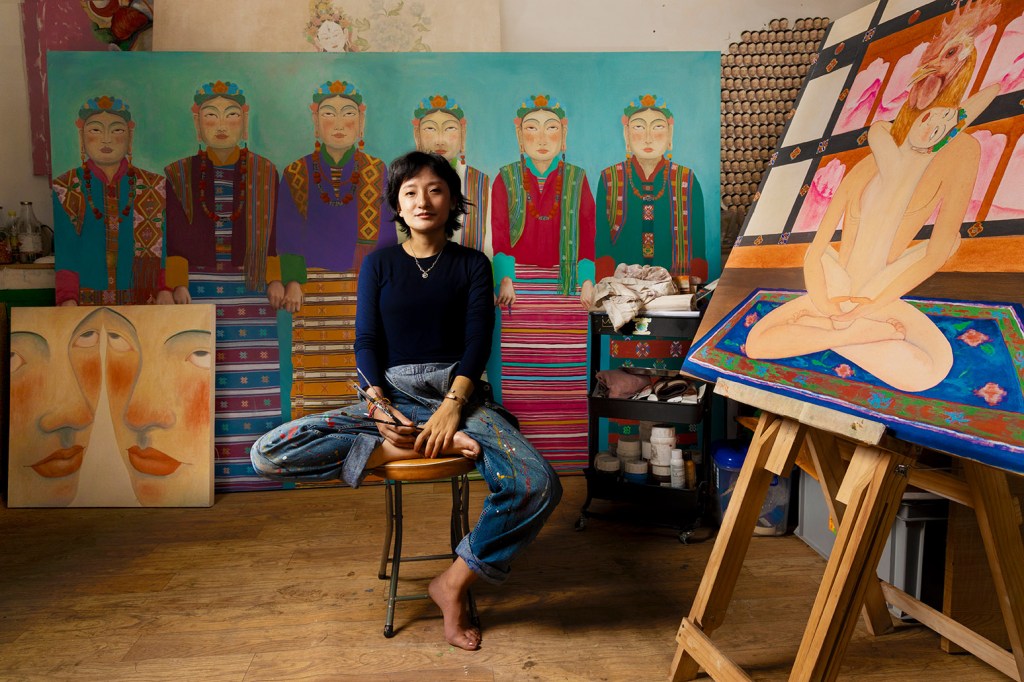
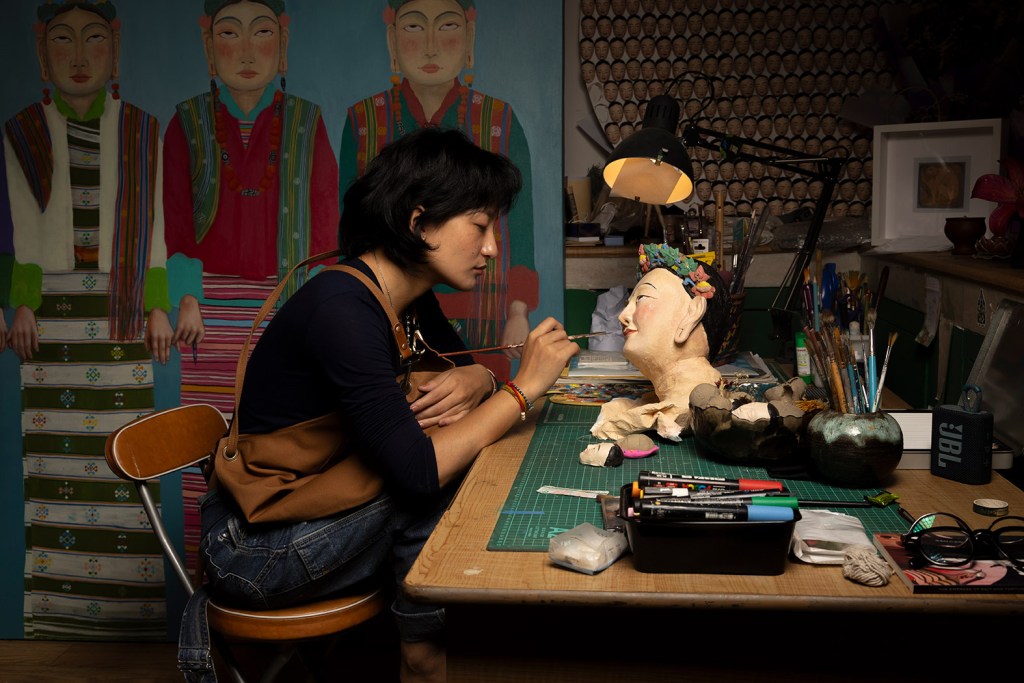
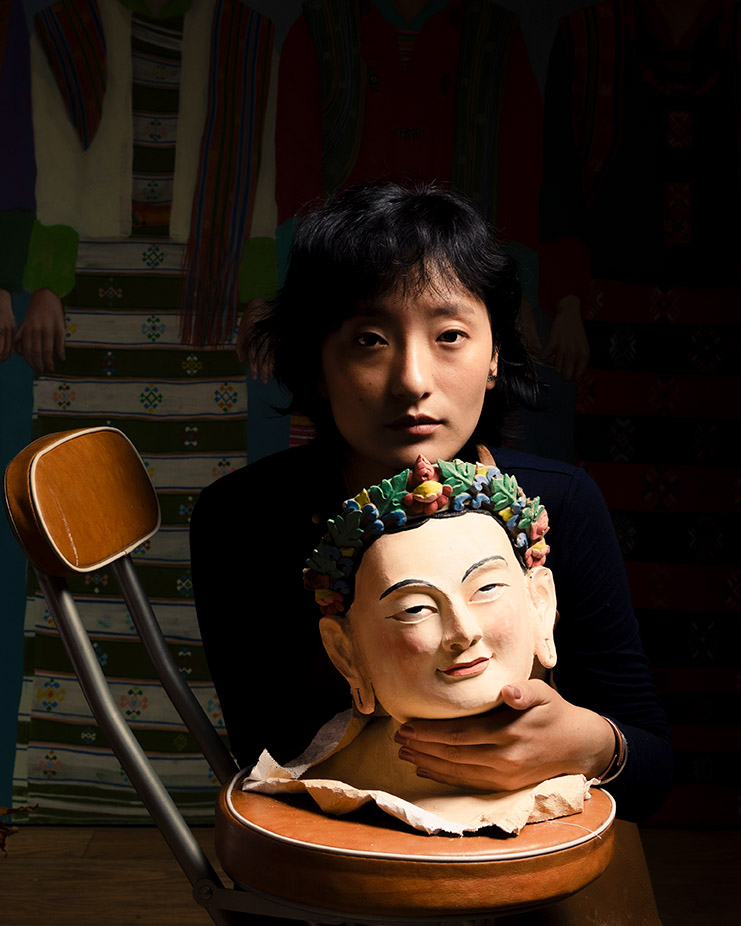
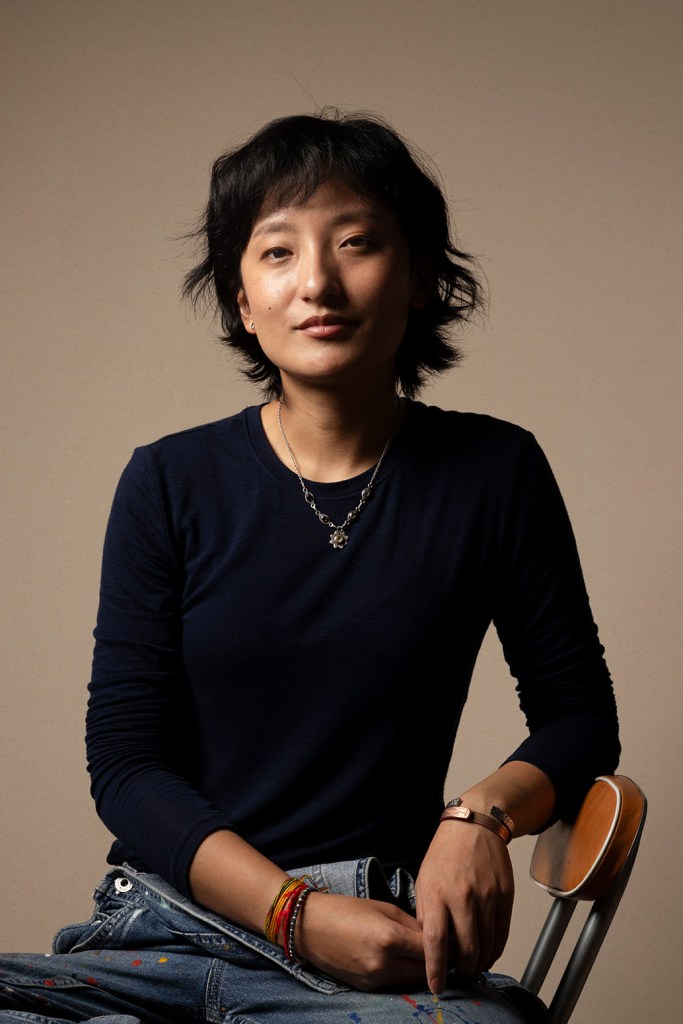
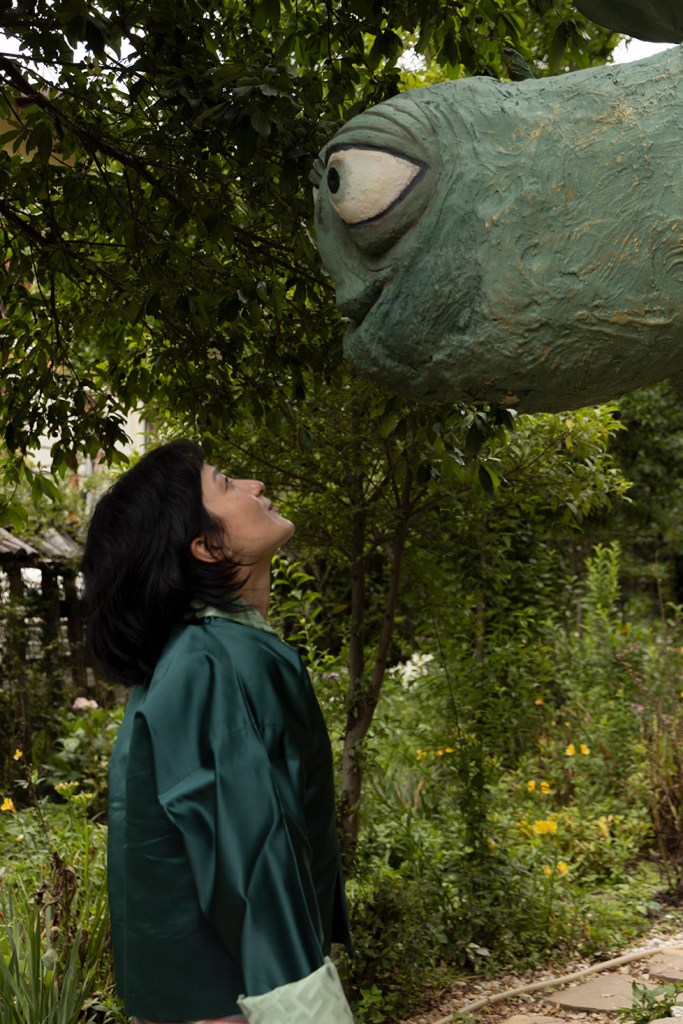
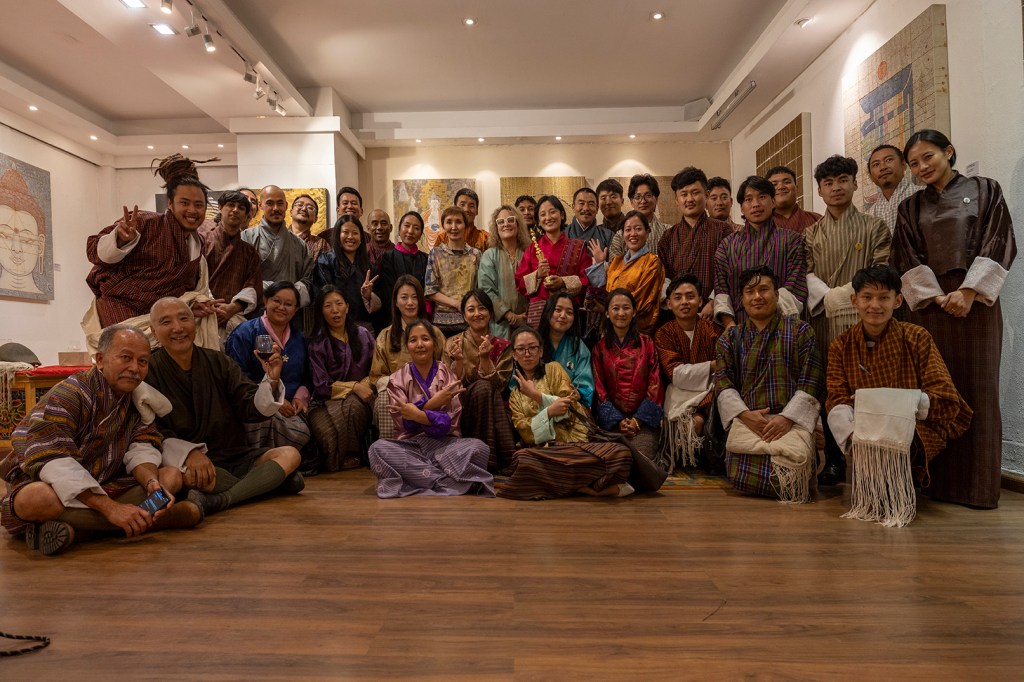
When VAST Bhutan was established in 1998, it was built around an idea ……….
READMORE..…
that was both simple and ambitious: to create a space where Bhutanese artists, especially the young, can discover and nurture their potential, find their own voices, and gain the confidence and life lessons that come from practicing art.
At the heart of that vision was Kama Wangdi, AKA Asha Kama, one of the founding figures of VAST Bhutan, whose foresight helped establish a platform where young Bhutanese could discover art not only as a form of creative expression, but also as a way of understanding themselves, engaging with society, and imagining new possibilities. VAST was created to nurture artistic talent, promote contemporary art, encourage social responsibility and, importantly, provide young artists with opportunities to participate in national and international exhibitions and exchanges. More than two decades later, that vision is beginning to reveal its true significance.
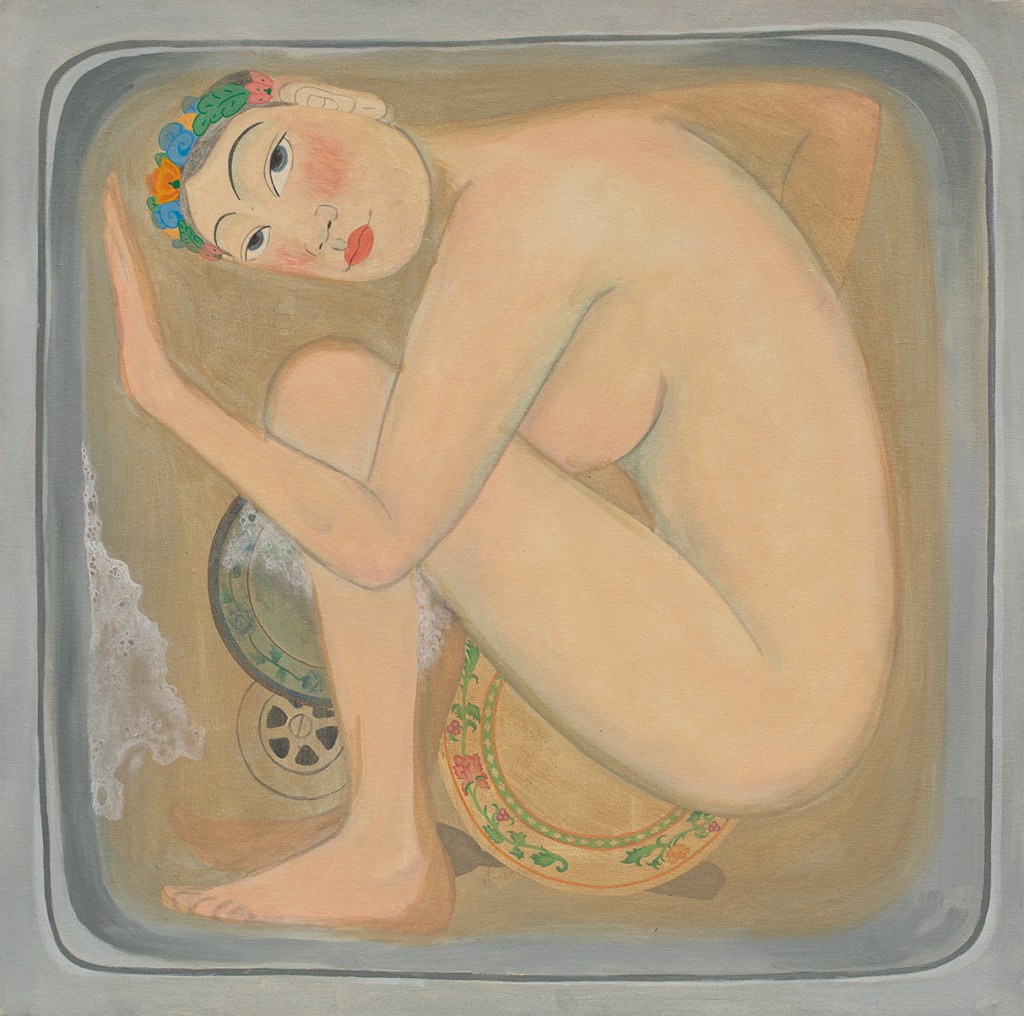
Pem Lham’s recognition by the Rubin Museum of Himalayan Art is, to me, one of those visions. The Rubin Museum of Himalayan Art has established itself as an important global institution dedicated to presenting Himalayan art and the ideas, histories, and contemporary perspectives that emerge from the region. Its work increasingly places contemporary Himalayan artists in conversation with the past, creating space for new interpretations of Himalayan identity and culture. For Bhutan, recognition on such a platform carries significance far beyond the achievement of one artist.
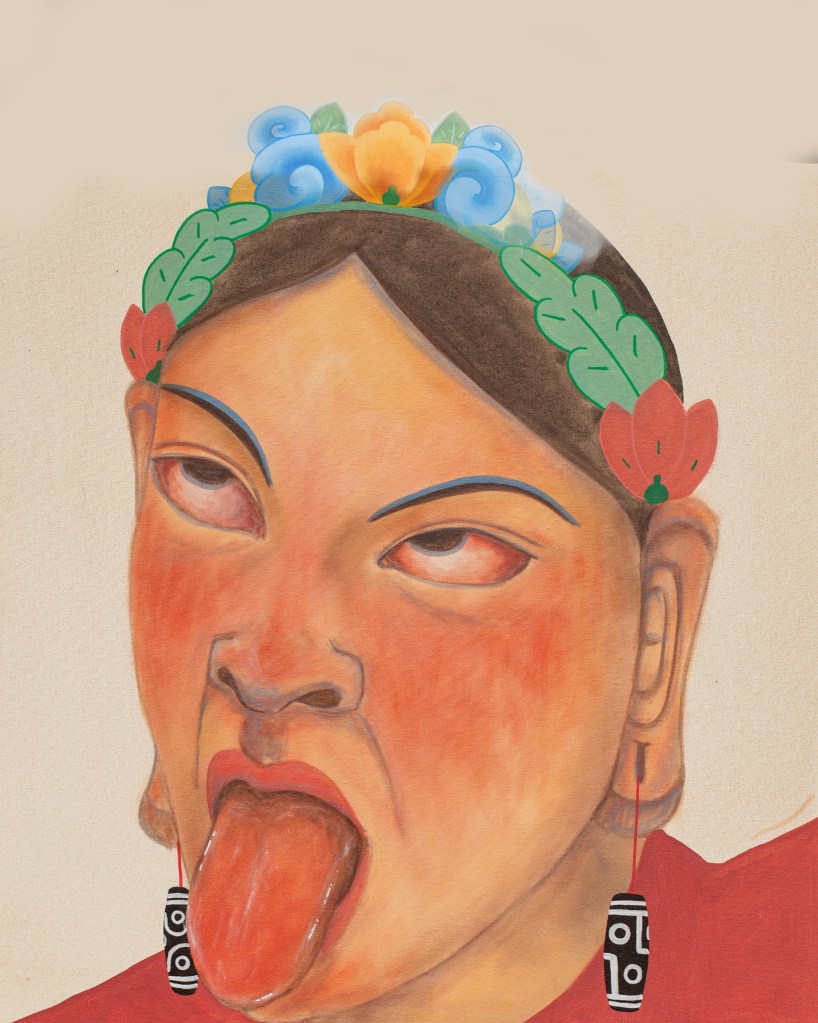
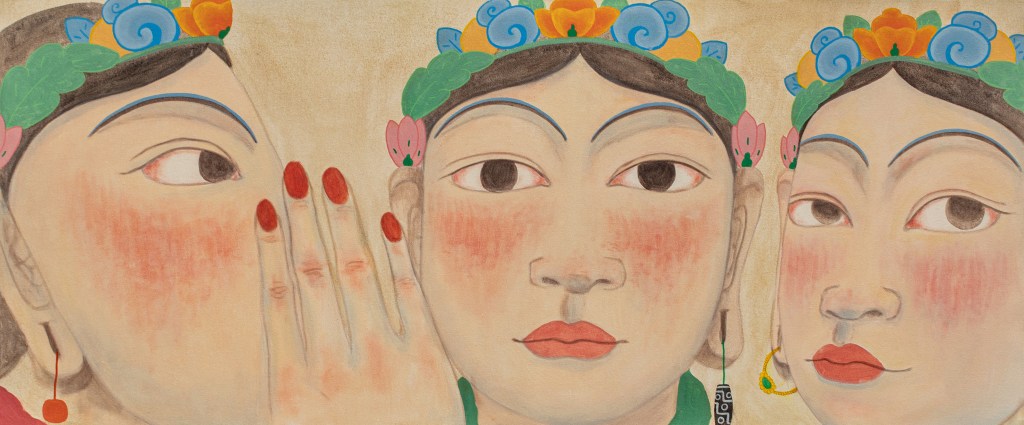
Pem Lham represents a generation of Bhutanese artists who are not simply reproducing what has come before. Her practice is rooted in personal experience, identity, culture, gender, and the tensions between tradition and contemporary life. Working through painting and installation, she reinterprets familiar cultural narratives and materials, often using subtle and satirical language to question inherited ideas and perceptions. That is precisely why her achievement feels so meaningful.
VAST Bhutan was never meant to be simply a place where young people learned how to paint. Its broader purpose was to create an environment in which young Bhutanese could discover their creative potential, develop confidence, engage with their communities and eventually take their work beyond Bhutan. The organization explicitly identifies contemporary art, youth development and international artistic exchange as part of its mission.
Pem’s journey is a powerful example of what can happen when such an environment exists. Her connection with VAST began when she was in junior school, inspired by her late elder brother, a gifted artist and prominent member of VAST. She grew up around the VAST and its community, and has spoken about how those experiences shaped her understanding of art. Her later education and exposure to contemporary art outside Bhutan expanded that foundation, allowing her to develop an artistic language of her own.
Pem’s achievement is not only a personal milestone; it is evidence that Bhutanese contemporary art can hold its own in an international conversation. For a country whose artistic identity is so deeply associated with its extraordinary traditional visual culture, contemporary art has sometimes had to work harder to find space, recognition and understanding. Organizations such as VAST have played an important role in creating that space, encouraging young artists to experiment, question, collaborate and develop their own voices.
The journey is far from over. In fact, I believe Pem’s recognition should be seen as the beginning of something much bigger. It should encourage us to believe that there are many more Bhutanese artists capable of reaching international audiences. There are young painters, photographers, sculptors, designers, filmmakers, and artists working across disciplines whose voices deserve to be seen and heard beyond our borders. What they need is more than the opportunity; they need the support of friends, families, community, and institutions. They need institutions willing to invest in them, audiences willing to engage with contemporary art, policies that recognize artists as an important part of society, and platforms that allow Bhutanese creativity to travel. That was part of the dream behind VAST Bhutan. And today, seeing a young Bhutanese artist receive international recognition, I cannot help but feel that the dream is becoming reality.
I am incredibly proud of Pem Lham – not only for what she has achieved, but for what her achievement represents for Bhutanese art. May this be the first of many such recognitions. May more Bhutanese artists find their way onto the world stage. And may the vision that began with a small group of artists more than two decades ago continue to grow, inspire, and open doors for generations of Bhutanese artists to come. This is not simply Pem Lham’s moment. It is a moment for Bhutanese contemporary art.
*This article is based on my personal observations and knowledge. The views expressed are entirely my own and do not represent the views of VAST as an institution.
Text & Photographs by Yeshi Zangpo (DRUKPA Photography)
BHUTAN Echoes: Celebrating the Power of Stories


Held annually under the Royal Patronage of Her Majesty Gyalyum Ashi Dorji Wangmo Wangchuck, Bhutan Echoes – Drukyul’s Literature & Arts Festival has become……………..
READ MORE
Bhutan’s premier international literary festival and one of the country’s most significant cultural gatherings. Since its inception, it has welcomed renowned authors, poets, historians, artists, filmmakers, scholars, and readers from Bhutan and around the world, creating a vibrant platform for the exchange of ideas, stories, and creative expression that transcends borders and generations.
More than a literary festival, Bhutan Echoes celebrates the enduring power of storytelling to preserve cultural heritage, inspire dialogue, and strengthen human connections. Through thought-provoking discussions, book launches, performances, workshops, and educational programmes, it brings together diverse voices to explore literature, history, art, philosophy, spirituality, and contemporary issues. In doing so, the festival nurtures Bhutan’s emerging writers and artists while encouraging a lifelong appreciation for reading and the arts.
Rooted in Bhutan’s rich cultural traditions while embracing global perspectives, Bhutan Echoes reflects Her Majesty’s enduring commitment to safeguarding Bhutan’s literary and artistic heritage. It demonstrates that culture is not merely preserved in monuments or museums, but lives on through stories, ideas, and meaningful conversations. The festival has become an important platform where Bhutan’s voices engage with the world, fostering mutual understanding through the universal language of literature and the arts.
The 15th Bhutan Echoes – Drukyul’s Literature & Arts Festival marked another important milestone with the introduction of the inaugural JSW Prize in Literature, presented to acclaimed Indian author Ashwin Sanghi in recognition of his outstanding contribution to contemporary literature. One of the most heart-warming moments of the festival came during the award ceremony when Sanghi generously donated the entire prize money to the Tarayana Foundation, a gesture that embodied the spirit of generosity, compassion, and social responsibility celebrated throughout the festival.
Beyond the conversations, books, and performances, Bhutan Echoes quietly imparts a deeper lesson. It reminds participants that literature and the arts are not only about creativity and intellectual exchange but also about compassion, empathy, and service to others. These values have long been championed by Her Majesty Gyalyum Dorji Wangmo Wangchuck, whose lifelong dedication to humanitarian service, cultural preservation, and community development has inspired countless people within Bhutan and beyond.
Today, Bhutan Echoes continues to enrich Bhutan’s cultural landscape by inspiring dialogue, celebrating creativity, and preserving the stories that define a nation. More than an annual literary festival, it stands as a living reflection of Her Majesty’s vision – a vision in which culture, education, and compassion are inseparable. As each festival concludes, it leaves behind more than memorable conversations; it reinforces the belief that literature, art, and kindness together have the power to shape a more thoughtful, compassionate, and culturally confident society.
04.08.2026
The Gift of Purpose


As we grow older and begin to lose strength, our sense of purpose can also fade. Yet purpose is what gives meaning to each morning and peace to each night.
During this project, The Walking Queen, I met many elderly citizens who continue to practice their crafts- skills that were revived and brought to market through Her Majesty the Queen Mother Dorji Wangmo Wangchuck’s foundations. They work not merely to pass the time, but to maintain independence and live a purposeful life. The depth of this achievement cannot be measured or described, but you will understand it once the story is told. All you need to do is pause, reflect, and search for your own purpose in life.
The Walking Queen
Tara Of Our Land
In the year 2000, Her Majesty Queen Mother Dorji Wangmo Wangchuck undertook an extraordinary journey across Bhutan- a journey on foot, through wild landscapes and secluded villages, where life was defined by isolation and resilience. Far from ceremonial, this was a walk………….


Read more
of purpose and deep empathy, rooted in Her Majesty’s commitment to seeing and serving the people often left behind by progress.
It was this remarkable journey that sparked the founding of the Tarayana Foundation, born from Her Majesty’s conviction that no Bhutanese should be left in the shadows of poverty and hardship. Through this vision, Her Majesty transformed personal encounters into a nationwide movement of compassion, empowerment, and lasting change.
For over two decades, Tarayana Foundation has been a beacon of hope. It has addressed fundamental needs and created opportunities in some of the most remote corners of the country- touching lives, restoring dignity, and igniting resilience.
For over two decades, Tarayana Foundation has been a beacon of hope. It has addressed fundamental needs and created opportunities in some of the most remote corners of the country- touching lives, restoring dignity, and igniting resilience.
In my book, “The Walking Queen”, captures not only the landscapes Her Majesty crossed, but the lives Her Majesty changed along the way. Every image tells a story of transformation of individuals and communities lifted through the quiet strength of service, and the power of being seen.
By walking alongside her people, Her Majesty gifted them agency. These photographs reflect the deep, unbreakable bond between a leader and her people built not on distance or formality, but on compassion, shared footsteps, and human connection.
The Walking Queen also serves as a reminder that true leadership is rooted in humility, empathy, and action. Her Majesty has shown us that even a single step, taken with purpose and love, can change the course of countless lives.
To Her Majesty Queen Mother Dorji Wangmo Wangchuck, we offer the collective gratitude of a thousand silent sunrises for showing us that true royalty lies in service. To the next generation, we pass the torch: may these images serve as a reminder that progress is not measured in wealth, but in how deeply we care for the most vulnerable among us.
Let this ripple of hope continue. A nation’s greatness is not etched in stone, but in the light that shines from eyes once dimmed by despair, now bright with possibility. This is the legacy of a Queen who walked beside her people and, in doing so, taught us all how to rise.
Editor: Kitsho Tenzin Dema Wangchuk
Photography: Yeshi Zangpo/Tarayana Foundation Archive

